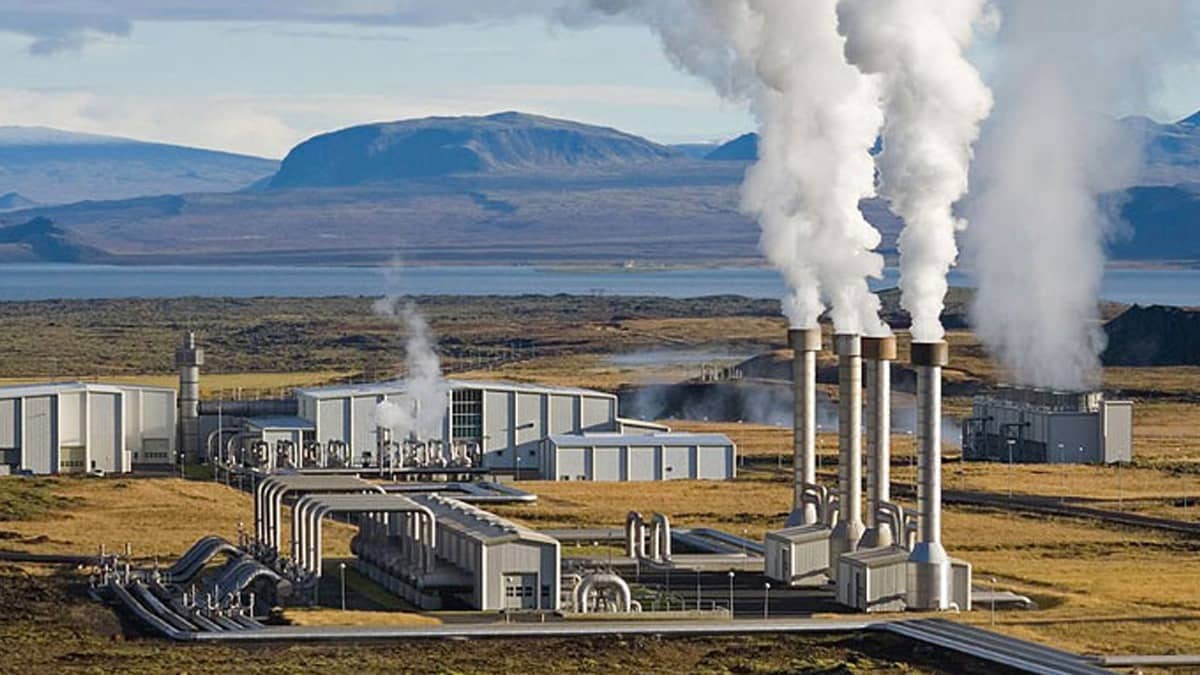
Geothermal energy—energy derived from the heat of the earth—can be harnessed both as a source of renewable electricity as well as directly for heating and cooling Ultra Geothermal applications. The U.S. Department of Energy (DOE) funds geothermal research and development (R&D) to help stimulate the growth of the geothermal industry and encourage quick adoption of geothermal technologies sought by the public and private sectors.
Currently, the U.S. leads the world for installed geothermal capacity, with more than 3.7 gigawatts (GW). With continued R&D successes and strong industry adoption, geothermal could meet more than 10% of U.S. electricity demand.
Here are some interesting facts about geothermal energy.
Baseload energy – it’s always on: Geothermal power plants produce electricity consistently, running 24 hours a day, 7 days a week. The power output of a geothermal power plant is highly predictable and stable, thus facilitating energy planning with remarkable accuracy. Geothermal power plants are also an excellent means of meeting baseload energy demand, or the minimum level of demand on an electrical grid during a 24-hour period.
Geothermal energy can heat, cool, and generate electricity: Geothermal energy can be used in different ways depending on the resource and technology chosen—heating and cooling buildings through geothermal heat pumps, generating electricity through geothermal power plants, and heating structures through direct-use applications. While geothermal power generation is mainly concentrated in the western U.S., these applications will help expand geothermal energy use geographically.
Over 100 years of geothermally sourced energy: The first ever geothermal plant was set up in Larderello, Italy, in 1904. Steam from that geothermal source was used to turn a small turbine which powered five light bulbs. Today, the U.S. leads the world in geothermal power generation, providing more than 3.7 GW to the national grid. In fact, the first modern geothermal district heating plant was developed in 1892 in Boise, Idaho. DOE supports direct-use efforts, striving to heat more homes and reduce more energy bills.
The largest geothermal plant in the world is located in California: The Geysers Geothermal Complex located north of San Francisco, California, is comprised of 18 power plants and is the largest geothermal installation in the world. DOE funding at Calpine Corporation’s Caldwell Ranch site at the Geysers is a first-ever reopened abandoned steam field, validating universally applicable technologies.
Geothermal can be closer than you think: Research funded by the Geothermal Technologies Office seeks ways to tap into geothermal resources across the nation. Traditionally, geothermal resources are most accessible in the western states, from Colorado and New Mexico up to Utah, Nevada, Idaho and Oregon. However, with the development of enhanced geothermal systems (EGS) technologies and additional research in deep direct-use (DDU) capabilities, geothermal energy will potentially be accessible across the country.
 Site Title
Leave a comment